
Custom Home Builders in Nanaimo, BC.
The lots that draw people to Nanaimo - the ones above Hammond Bay looking out across the Strait, the acreage on Copley Ridge, the private parcels at the foot of Mount Benson - deserve homes that are built to match them. We take on a small number of builds each year across Vancouver Island and the Lower Mainland, and we give the same thing to every one of them: a Binning principal on site, every week, from groundbreaking to handover.
HPO Licence #43347 · Pacific Home Warranty 2-5-10 · 10+ years building · Nanaimo · Lantzville · Vancouver Island · Lower Mainland
How We Work
The view is usually the reason someone bought the lot. The home needs to earn that.
Most of the lots we build on in the Nanaimo area have one thing in common: the setting is the point. A high-bank property above Departure Bay where the Strait of Georgia fills the horizon. A sloped parcel on Copley Ridge with clear sightlines to Nanoose Bay. Acreage in Benson Meadows where the privacy and the old trees are as much the draw as the land itself. The clients who buy lots like these aren't looking for a builder who can put a house on a site. They're looking for someone who understands that the home and the landscape are supposed to work together - that the orientation, the glazing, the height, the interior flow should all be answering the question the site is asking.
That's a design and construction discipline that goes beyond specifications. It means bringing the builder's perspective into the design conversation early, before structural decisions are made that are expensive to change, and staying close to the site through construction to catch the things that only reveal themselves when the framing is up and the light is actually coming through. It's work we take seriously, and it's why the projects we take on are the ones where that kind of care is wanted.
We build on the Island. The Island has its own rhythm, and we work with it rather than against it.
Vancouver Island has a different building context from the Lower Mainland, and builders who operate primarily on the mainland don't always account for that when they take on Island work. Trade availability in Nanaimo is tighter than in Metro Vancouver. Specialty materials that can be ordered Tuesday for Thursday delivery in Surrey may involve ferry logistics here. The subcontractor relationships that determine whether a project flows or stalls are local ones, built over years of doing the same work in the same places.
Binning & Sons has been active on Vancouver Island for over a decade. We know the tradespeople here. We know the City of Nanaimo's building department and the District of Lantzville's planning process. We know what ground conditions tend to look like on a sloped Hammond Bay site, and where the Regional District of Nanaimo's permit process applies instead of the City's. None of this is exotic knowledge - it's just what you accumulate when you've been doing the work here rather than learning it on your clients' time.
Five to seven homes a year, across all locations. That's the number that lets us do the work properly.
There's a volume of work at which what we do becomes a different job. At higher volumes, a named partner can no longer be on every site every week. Decisions get delegated to project managers who weren't in the design meetings. The accountability that comes with a family name on the business starts to dilute. We reached that volume threshold a long time ago and decided the answer was to stay below it, not to grow past it.
Five to seven custom home builds per year across all our active locations - Nanaimo, the broader Lower Mainland, Vancouver Island - is the number at which Harj Binning and the family can remain genuinely involved in every project. A Binning is named on your contract. A Binning is on your site weekly. A Binning handles your warranty calls when they come in. The commitment runs from the discovery meeting to the end of the 2-5-10 coverage period. We'd rather have a wait list and build things well.
Recent Nanaimo Builds
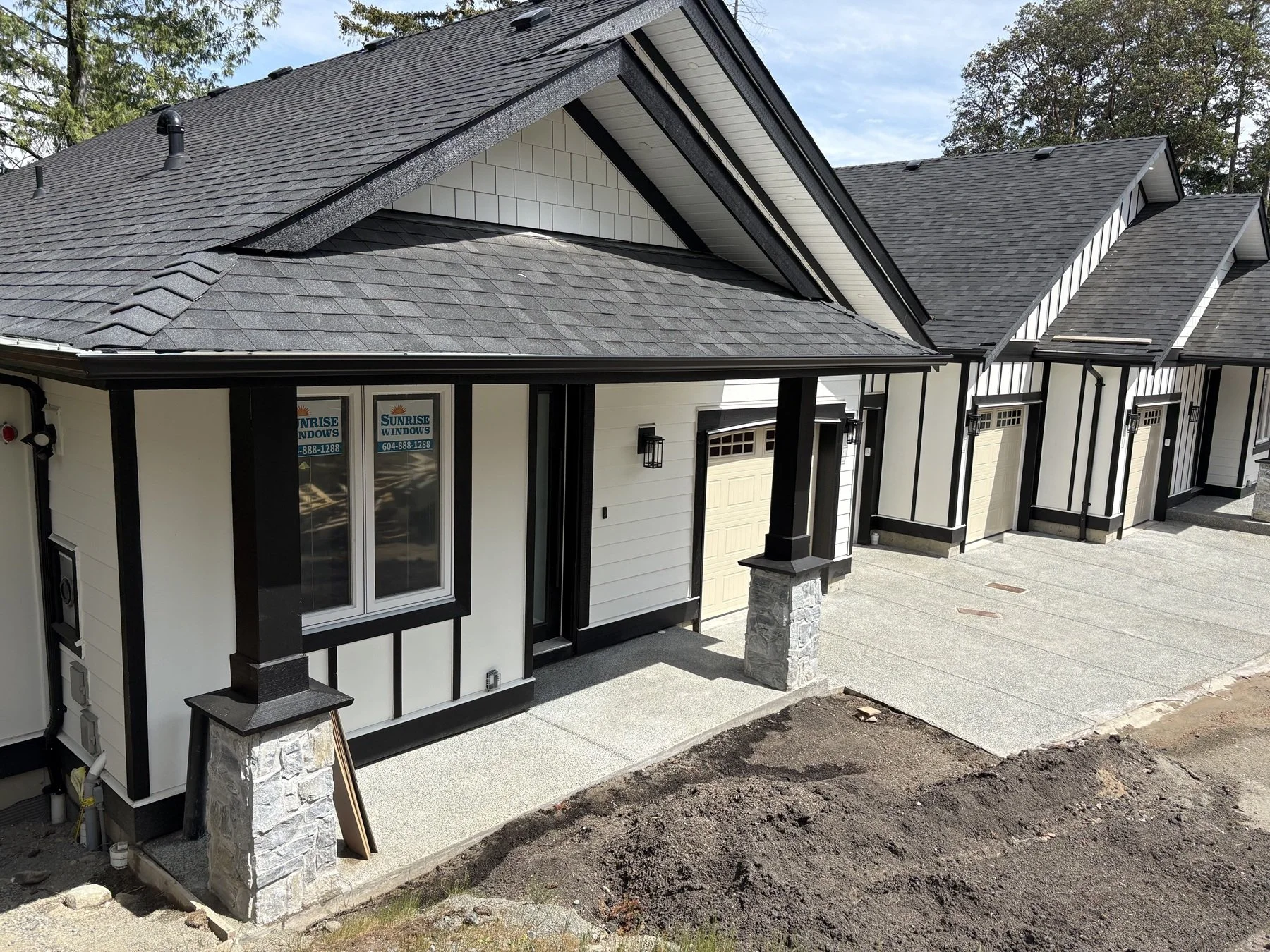
Nanaimo - 6 bed · 6 bath · open-concept contemporary, two living rooms, high-end appliances and millwork. [View project →]
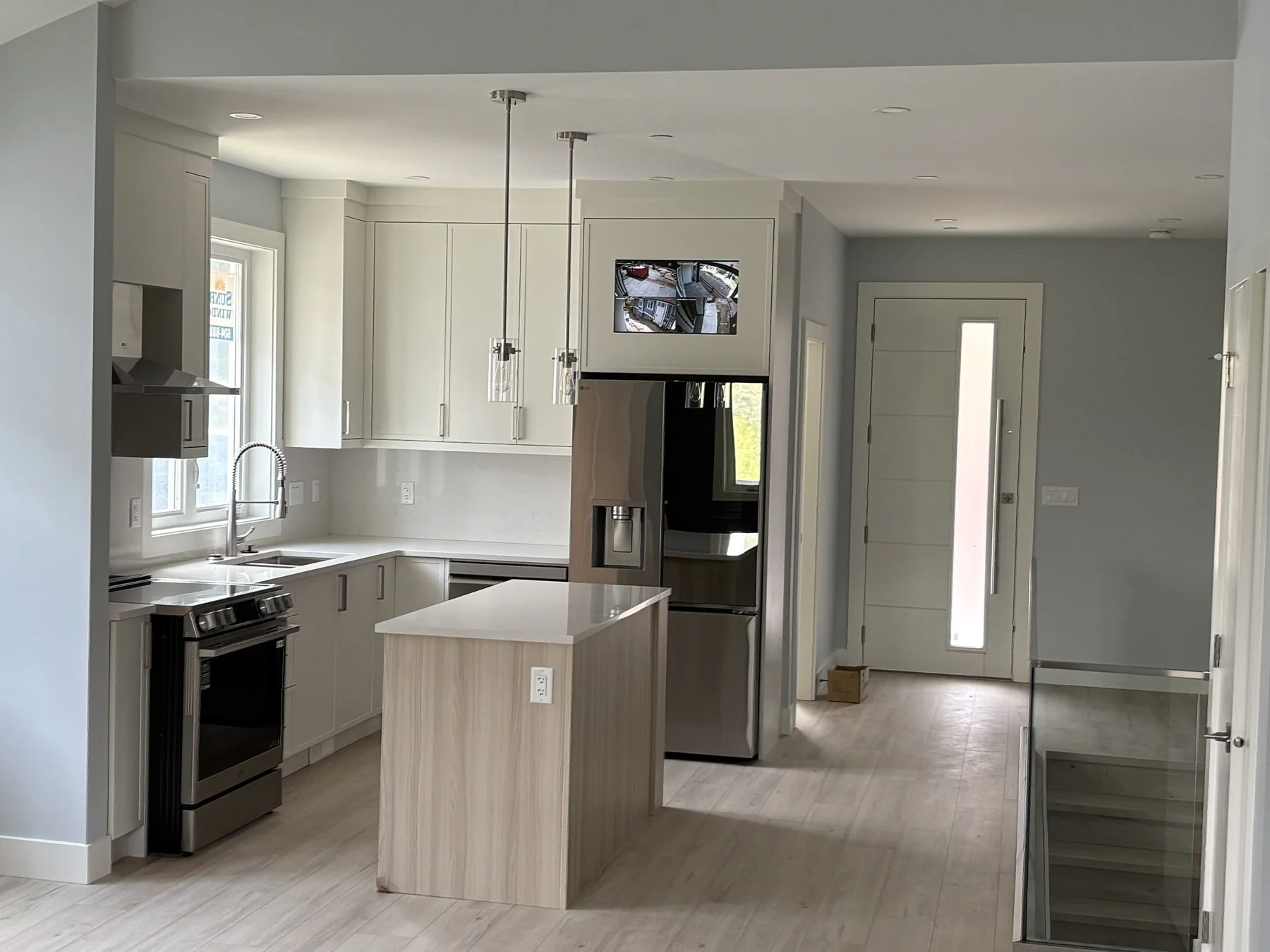
Song Sparrow Way Nanaimo, BC - 4 plex Nanaimo, BC. 3 bedrooms plus flex room, LG professional series appliances, custom showers, engineered floors for modern living [View project →]
Ready To Get Your Project Started?
How a Binning Nanaimo Home Gets Built
Building a custom home in the Nanaimo area isn't complicated relative to some markets - the City of Nanaimo has a functional permit process and a well-documented bylaw framework. But the questions that matter most aren't bureaucratic ones. They're the ones that depend on knowing the specific site: what the soil is doing, what the neighbours are doing, what the morning light does, what the City's Development Permit Area designations mean for how you can build on a waterfront lot. We front-load those questions deliberately, so that by the time a shovel goes in the ground, the work is planned well and priced accurately.
1. Discovery & site feasibility · 4–6 weeks
Every project starts with the lot. Before any design conversations happen in earnest, we need to understand what the site will support - and that means reading it carefully.
We review the zone (City of Nanaimo zoning, District of Lantzville bylaw, or Regional District of Nanaimo regulations, depending on where your lot sits) and any overlay designations that apply: riparian areas, environmentally sensitive terrain, Aquifer Protection Development Permit Areas, or natural hazard considerations. For waterfront and near-waterfront lots in areas like Departure Bay, Hammond Bay, and Lower Lantzville, these overlays can shape the project significantly. We look at slope, ground conditions, access, servicing, and whether a Development Permit is required in addition to the building permit.
We also sit with you and work through what you're actually building: the brief that makes sense for the site, the priorities that are non-negotiable, and the budget that's grounded in the real cost of building on this Island.
You leave with: a written feasibility memo covering every site-specific factor and a cost range that reflects your actual lot and brief - not a generic Island average.
2. Design & engineering · 2-4 weeks
With feasibility established, design can start from an honest position. We work with your architect - or introduce you to Island-based designers we have strong working relationships with - and we bring the builder into the design process from the start. The decisions that are easiest to make on paper and most expensive to revisit during construction happen here: structural system, the way the home meets the slope, building envelope performance, and how the orientation and glazing respond to the views the site offers.
We engage structural, mechanical, and electrical engineers, an energy modeller for BC Energy Step Code compliance, and any specialist consultants the site requires. On steeper or waterfront-adjacent sites, a geotechnical investigation is standard before design decisions are finalised.
You leave with: permit-ready drawings and a full line-item construction budget before any money is committed to construction.
3. Permits & pre-construction · 2–4 months
In the City of Nanaimo, the current building permit processing time sits around 7–8 weeks for residential new construction - a significant improvement from the 14-week average of 2025. For projects in Development Permit Areas (which includes many waterfront and environmentally sensitive sites in North Nanaimo, Hammond Bay, and adjacent areas), a Development Permit must be obtained before the building permit application is accepted. That adds time that needs to be planned for from the start, not accounted for as a surprise later.
For projects in the District of Lantzville, the permit process runs through the District's own planning office, with its own timeline and bylaw framework. For properties in unincorporated areas under Regional District of Nanaimo jurisdiction - Cedar, Nanoose Bay, and parts of the rural surrounds - the RDN's permit process applies instead.
We manage the correct process for your specific site, handle all submissions and any information requests, and plan the programme around the realistic timeline for your project type and jurisdiction.
You leave with: permits in hand, a signed contract you understand line by line, and a construction programme built around realistic dates.
4. Construction · 8–14 months typical (longer for >5,000 sq ft)
From groundbreaking to occupancy, with weekly written site reports and photographs, fortnightly walk-throughs on site with you, and a draw schedule tied directly to the line-item budget. You know what has been spent and what lies ahead at every stage.
On Vancouver Island, building relationships with the right tradespeople and managing sequencing carefully are what keep a project on schedule. The trade pool in Nanaimo is skilled and experienced - but it's not the same depth as Metro Vancouver, and over-committed builders working too many concurrent sites can find schedules compressing in ways that are hard to recover from. Our deliberate volume limit is, in part, a project management decision: trades aren't being stretched across too many Binning sites simultaneously, which means our sites stay on programme.
For homes on sloped lots, waterfront-adjacent properties, and parcels with significant trees - the conditions that go with the most desirable sites in this area - construction technique on the envelope and structure is where quality reveals itself. We treat the mid-construction blower-door air-tightness test as a quality checkpoint, not a compliance formality.
You leave with: a home built to the standard the site and the brief called for.
5. Handover & 2-5-10 warranty · ongoing
The walkthrough, the deficiency resolution, and a complete handover package: occupancy permit, warranty documentation, inspection records, and operation manuals for every system in the home. Pacific Home Warranty's 2-5-10 is enrolled from day one of occupancy. Warranty calls come to us directly. We handle them personally.
You leave with: the keys, and a builder who remains reachable.
Ready To Get Your Project Started?
What's Standard on Every Binning Build
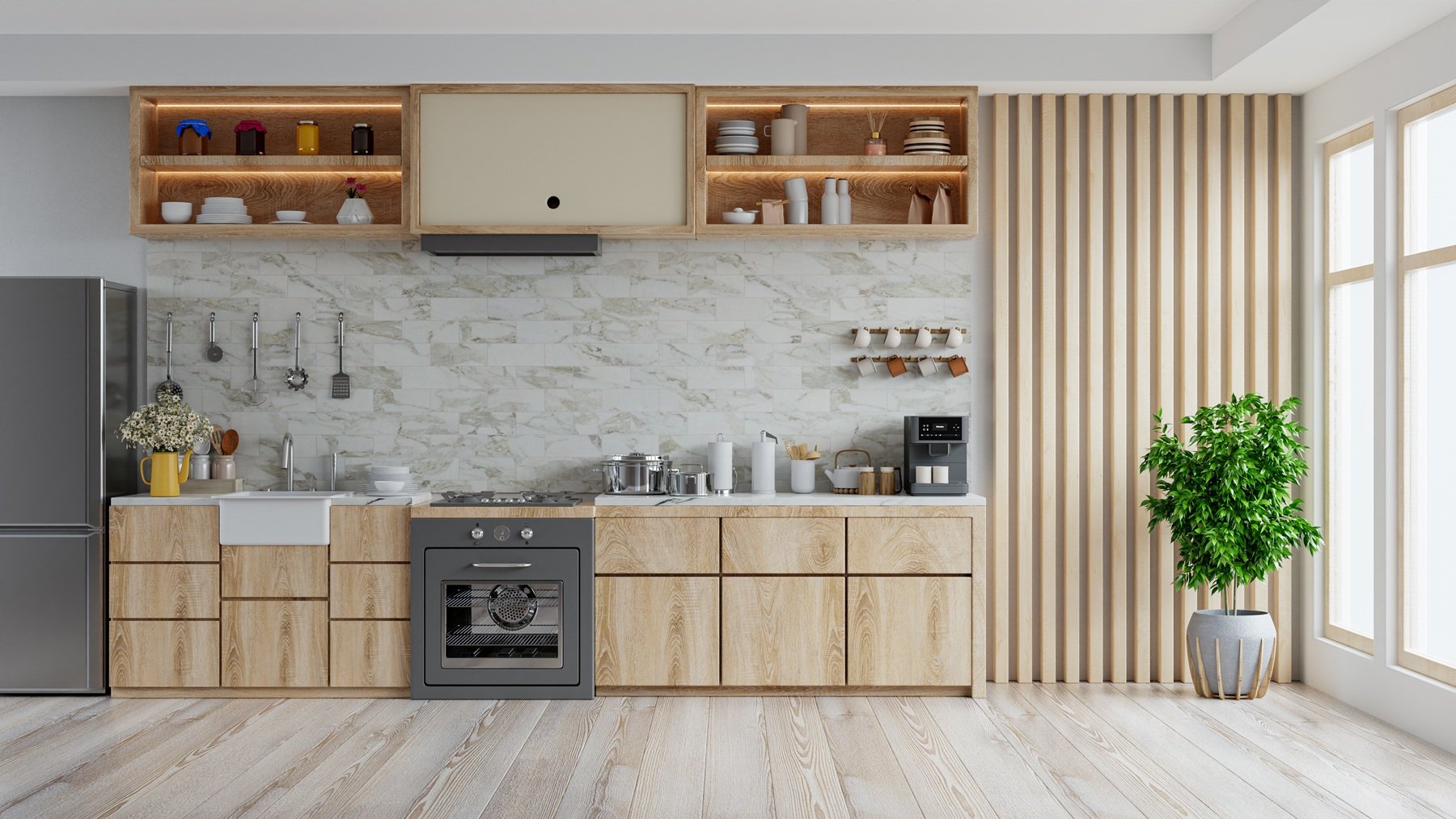
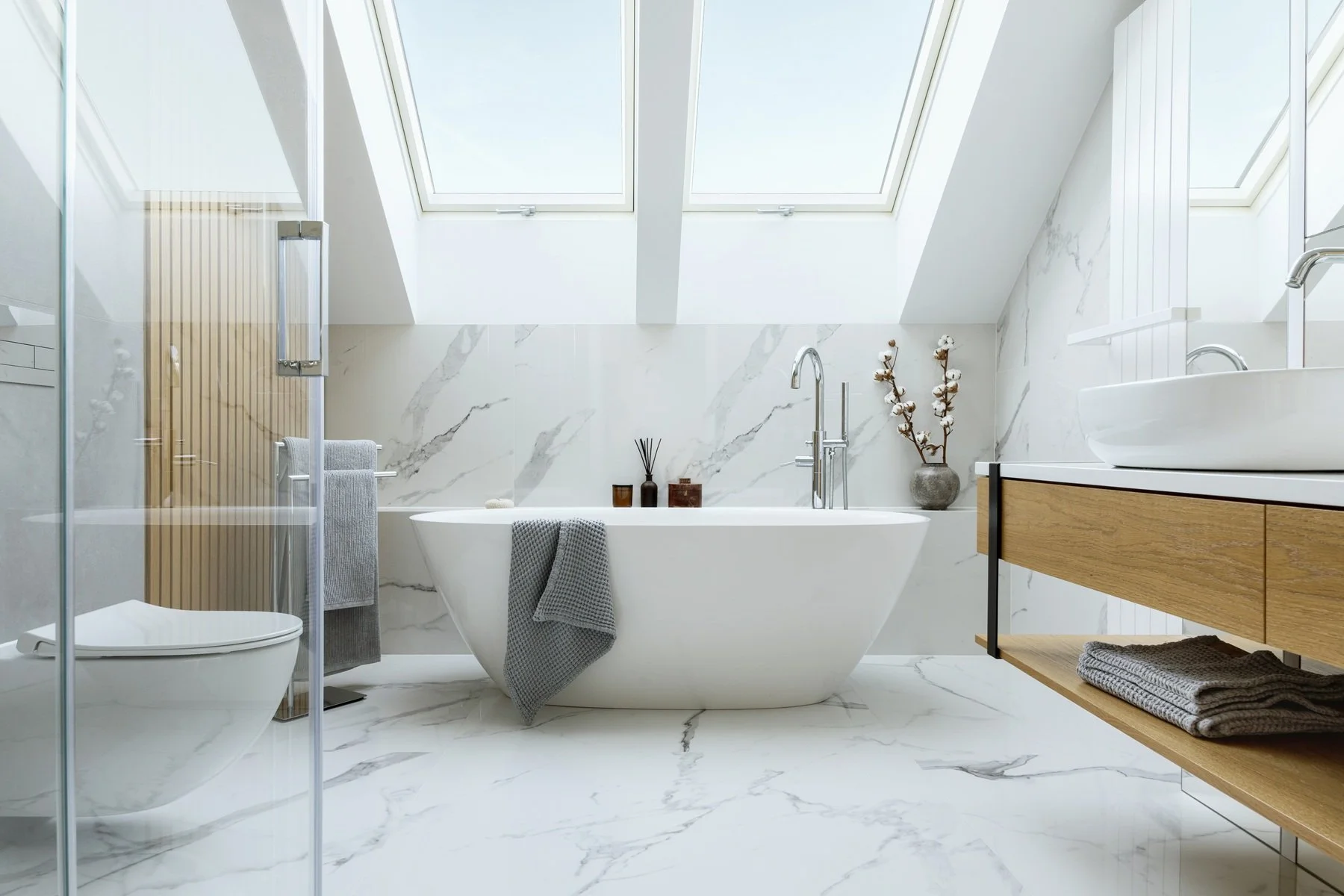
These aren't tiers or upgrades. They're the baseline for every project, regardless of location or scale.
In every build, as standard:
A named Binning principal on your project from the first meeting to the end of the warranty period - one person, direct line, full accountability for the project's outcome
Weekly written site reports throughout construction, with photographs
Fortnightly on-site walk-throughs with you as the homeowner
A full line-item construction budget, maintained and updated as the build progresses
BC Energy Step Code compliance: energy modelling, mid-construction blower-door air-tightness testing, and independent final verification by an energy advisor
Pacific Home Warranty 2-5-10 enrolment, automatic on every build
Direct warranty support through the full coverage period - no third-party intake process
What we price separately - and why:
These items have too many variables across different lots, briefs, and specifications to bundle into a standard figure. Each is a real line in the construction budget, with the reasoning explained:
Architectural design - through your architect or our Island-based design partners
Geotechnical investigation (standard on sloped sites and waterfront-adjacent parcels)
Environmental and riparian assessments where required by site conditions or Development Permit requirements
Structural, civil, mechanical, and environmental consultants beyond standard scope
Landscaping and outdoor living above a baseline package
Pool, spa, sauna, cold plunge, and outdoor wellness structures
Smart home and audio-visual systems above a standard package
Secondary suites, carriage homes, or additional structures on the parcel
What a Custom Home Costs to Build in Nanaimo in 2026
Construction costs in the Nanaimo area for a serious custom build currently can vary significantly, depending on finish level, structural complexity, site conditions, and energy performance.
Here's what actually moves the number:
The site itself. Nanaimo's most desirable lots - waterfront and near-waterfront sites in Hammond Bay and Departure Bay, elevated parcels on Copley Ridge, the large acreage properties in Benson Meadows - are not flat, straightforward sites. Slope, ground conditions, retaining requirements, waterfront setbacks, and drainage engineering all carry construction consequences that need to be assessed for your specific lot before any per-square-foot estimate means anything.
Finish specification. Millwork complexity, stone and tile programmes, window and glazing packages, hardware, appliances, lighting design, and joinery are where budgets diverge most significantly on homes of comparable structural scale. We help clients understand where specification choices have the most impact on how the home lives - and where additional spend doesn't register the way the cost suggests it should.
Geotechnical conditions. The Nanaimo area has variable subsurface conditions, particularly on sloped sites above Departure Bay and in established residential areas where lot improvements over decades have altered drainage. A geotechnical investigation on your parcel, at the feasibility stage, is the only way to identify what the foundation will actually require. Some of the biggest budget surprises in custom home building come from skipping this step.
Energy performance. BC Energy Step Code Step 3 is the current mandatory floor. Step 5 - the Passive House-equivalent standard - becomes mandatory province-wide by 2032. Building to Step 5 now costs more upfront and performs measurably better over the life of the home. On a well-insulated, highly airtight home on a waterfront lot where the Pacific weather exposure is a factor, the difference in long-term performance is significant. We model both levels so the decision can be made with real numbers.
The Island logistics factor. Building on Vancouver Island means working within a trade market and supply chain that is different from the mainland. For certain specialty trades and materials, lead times are longer and logistics more involved than in Metro Vancouver. Planning around those realities from the start - rather than discovering them mid-project - is part of how we keep projects on schedule.
Development Permit Area requirements. Many of the most sought-after lots in North Nanaimo, Hammond Bay, and waterfront-adjacent areas fall within the City's Development Permit Areas. These designations - covering riparian areas, environmentally sensitive terrain, aquifer protection zones, and natural hazards - impose environmental assessment and design constraints that affect cost. The requirement varies entirely by lot: some sites have no DPA designation at all, others have multiple overlapping ones.
Development Cost Charges. The City of Nanaimo has updated its DCC schedule in 2025. These are per-project charges for infrastructure - water, sewer, drainage, parks, roads, and facilities - and they represent a real project cost that belongs in the budget from the feasibility stage.
Timeline. From first discovery meeting to occupancy, plan for 12–24 months on a Nanaimo area custom home. The range reflects real variation in project complexity, Development Permit requirements, and the difference between a straightforward city lot and a complex waterfront or acreage build.
Where We Build in Nanaimo and the Surrounding Area
The lots that make up the best of the Nanaimo area's custom home market are defined by their relationship to the natural setting - ocean views across the Strait of Georgia, the ridge-top elevation of Upper Lantzville, the forested privacy of Benson Meadows. Each area has its own character, its own building considerations, and its own reasons people choose it.
Stevenson Point / Departure Bay
Stevenson Point sits at the entrance to Departure Bay, with some of the most distinctive views in Nanaimo: the Strait of Georgia, Newcastle Island, the North Shore mountains in the distance, and the arc of Departure Bay itself below. Stephenson Point Road and Bonnie Drive have some of the area's most serious waterfront and high-bank ocean view properties.
The combination of proximity to downtown Nanaimo and the natural setting of Pipers Lagoon Provincial Park just to the north makes this one of the few areas in the city where a genuinely private, view-oriented estate home sits within ten minutes of everything the city offers. Building here rewards careful attention to siting and envelope design - coastal exposure and the slope characteristics of these lots require structural and weather-proofing decisions that need to be worked through from the design stage, not the construction stage.
Hammond Bay / Rocky Point
Hammond Bay runs along the North Nanaimo coastline between Departure Bay and the north end of the city, and Rocky Point - off Hammond Bay Road - is its most distinctive residential precinct. Streets like Fillinger Crescent and Vista View Crescent are organically laid out around the terrain, giving homes elevated positions and ocean views across the Strait that orient toward both the Gulf Islands and the mainland mountains.
Pipers Lagoon and Neck Point Park frame the neighbourhood to the south and east respectively, and the schools serving this area are among the most sought-after in Nanaimo. The custom home market here is active, and the lots that remain - particularly those with unobstructed sightlines - are diminishing. Sites that are naturally elevated, with views that extend across open water, require a builder who understands how to frame them properly with glass and structure, rather than simply placing a footprint on a slope.
Dover Bay
Dover Bay sits at the northernmost point of the City of Nanaimo and is the area's most complete residential destination - the full combination of ocean proximity, quality amenities, and established infrastructure that draws buyers who want all of it in one place. Icarus Drive, Ptarmigan Way, and Medd Road have some of the most significant private homes in Nanaimo. Waterfront homes here can reach $4M and above; ocean-view positions start well above $1.5M.
The neighbourhood's maturity means that new custom builds here are often teardown-and-rebuilds rather than raw lot construction - a different planning and design context, with demolition and interim arrangements to coordinate alongside the build itself. The standard for what a new home should be in Dover Bay is set by the existing streetscape, and it's a high one.
Benson Meadows / North Jingle Pot
Benson Meadows occupies the western slopes at the foot of Mount Benson, and it represents a different kind of Nanaimo address from the oceanfront neighbourhoods. The draw here is land, privacy, and proximity to old-growth forest - Meadow Way, Jameson Road, and Ridgeway Drive have properties with gated driveways, substantial acreage, and views east across the city and out to the water. Many of the parcels here have independent water and power systems, which changes the infrastructure planning that goes into a build.
North Jingle Pot, slightly north and east, carries the highest median home price in the broader Nanaimo area - a reflection of its similar character: privacy, larger parcels, a semi-rural feel within reach of city amenities. These are homes for clients who know what they're looking for and have been looking long enough to find it.
Lantzville
Lantzville sits immediately north of Nanaimo as its own distinct municipality - the District of Lantzville - with its own zoning bylaw, permit process, and Official Community Plan, currently under update. That separate regulatory framework is worth understanding from the outset: a Lantzville project isn't simply a North Nanaimo project. The District's planning office has its own review timelines and its own criteria.
Lower Lantzville along Dickson Drive and Sunbury Road has a coastal village character, with waterfront and near-waterfront lots looking across Nanoose Bay. Upper Lantzville - Copley Ridge and the elevated areas above the village - offers a different proposition: elevation, clear views across both Nanoose Bay and the Strait of Georgia, and large parcels that support a scale of home that isn't possible on smaller City lots. Lantzville is where many of the Nanaimo area's most serious estate-scale custom home builds are happening, and it's the part of the area we're asked about most by clients relocating from the Lower Mainland.
Cedar / Nanoose Bay
Cedar, to the south of Nanaimo, and Nanoose Bay, between Lantzville and Parksville, both fall primarily under Regional District of Nanaimo jurisdiction - a different regulatory framework from either the City of Nanaimo or the District of Lantzville, with its own permit process through the RDN. For clients drawn to Cedar's semi-rural, farm-road character or to the Nanoose Bay estates on the water, this distinction matters for permitting timelines and what's required for approvals.
These areas attract clients who want more land, more separation, and a connection to the Island's working rural landscape - a different brief from the ocean-view lots of Hammond Bay or the elevation of Copley Ridge, but no less deliberate in what's being asked of the home.
What Building in Nanaimo and the Surrounding Area Involves
The Nanaimo area covers several distinct regulatory jurisdictions, and which one applies to your project depends entirely on where your lot sits. Understanding that from the start - along with the environmental overlay designations that can apply to the most desirable sites - is what separates a project that moves predictably from one that runs into avoidable delays.
Which Jurisdiction Applies to Your Lot
The City of Nanaimo administers its own Zoning Bylaw No. 4500 (under ongoing update in 2026–2027) and issues building permits through its own building department. For lots within City limits, that's the permit process that applies.
The District of Lantzville is a separate municipality, north of Nanaimo along the Island Highway. Its building and planning approvals run through the District's own office, under Bylaw No. 180 (2020), consolidated to Bylaw No. 381 in 2024. The District is also updating its Official Community Plan - a process with implications for long-term land use that clients with Lantzville lots should be aware of when making design decisions.
Areas further out - Cedar to the south, Nanoose Bay to the north, and rural parcels between jurisdictions - typically fall under the Regional District of Nanaimo. The RDN has its own building permit process and its own fee structure, distinct from the City's. We identify the correct jurisdiction at feasibility and manage the appropriate process for your site.
City of Nanaimo Permit Timeline
The City of Nanaimo's current processing time for residential building permits sits around 7–8 weeks, a marked improvement from the 14-week average recorded in mid-2025. For projects requiring a Development Permit first, the combined timeline extends substantially and is not fully predictable from the outside - the length of the planning review depends on the completeness of submissions, any public notice or comments requirements, and current department workload.
All building permit applications submitted after March 10, 2025 must comply with the 2024 BC Building Code. We design to the current code from the start rather than treating it as a check at the permit stage.
BC Energy Step Code and Zero Carbon
The BC Energy Step Code's Step 3 is the current mandatory minimum for all new residential construction in British Columbia. Step 5 - the high-performance standard equivalent to Passive House - becomes mandatory province-wide by 2032. For a home built to last on a site where the coastal Pacific weather is a real operational factor, the difference in building envelope performance between Step 3 and Step 5 is material over the life of the home.
Since March 2025, the Zero Carbon Step Code's EL-1 requirement applies to all new BC residential construction. In practice, all-electric mechanical systems - heat pump space heating and hot water, without gas - are now the standard design basis on every Binning build.
Every project we deliver includes an independent energy advisor's verification before occupancy. The mid-construction blower-door test is built into every build schedule, not added as an afterthought.
Development Permit Areas (DPAs)
Within the City of Nanaimo, certain categories of land carry a Development Permit Area designation. A Development Permit must be obtained before a building permit can be issued on these lots - and the process runs through the Planning department, not the Building department, which means it's a separate application with its own review timeline.
DPA categories in Nanaimo relevant to custom home construction include riparian areas (within defined setbacks of watercourses and wetlands), Aquifer Protection overlay zones, environmentally sensitive terrain, natural hazard areas, and form and character designations in certain urban zones. Many of the most desirable lots in North Nanaimo, Hammond Bay, and Departure Bay area fall within one or more of these designations.
Identifying whether your lot has a DPA designation - and what that means for design, environmental assessment, and timing - is one of the first things we do in the feasibility phase.
Development Cost Charges
The City of Nanaimo's Development Cost Charges are levied on new residential construction to fund infrastructure: water, sewer, drainage, parks, roads, solid waste and recycling facilities, fire protection, and police. The City updated its DCC bylaw in 2025. These charges represent a real project cost - sometimes a significant one on larger custom homes - and they need to be in the budget from the feasibility stage.
DCCs in the District of Lantzville and under the RDN follow different schedules. We pull the applicable rates for your jurisdiction at the feasibility stage and build them into the project cost framing.
Get in Touch
Whether you have a question, an idea, or just want to say hello, feel free to reach out—we’re here to help.
Frequently Asked Questions
-
For a bespoke custom build in the Nanaimo area, construction costs typically run between $400 and $800+ per square foot, depending on finish specification, structural complexity, site conditions, and energy performance level. A well-specified 2,800 sq ft home on a North Nanaimo or Hammond Bay lot would typically sit between $1.1M and $1.8M in construction costs, with more complex waterfront or sloped sites and higher finish programmes running above that.
Land adds to the total: established lots in Dover Bay, Hammond Bay, and Lantzville range from around $600K to well over $1.5M depending on views, waterfront status, and parcel size. After a discovery meeting, we provide a written cost framing specific to your lot and brief - not a generic number.
Land is separate - Westside lots typically add $2M to $5M or more before a shovel goes in the ground. Total project investment including land, design, permits, and construction on a serious Westside commission routinely sits between $4M and $12M. After a discovery meeting, we provide a written cost framing specific to your lot and brief.
-
From first meeting to occupancy, plan for 12–24 months on a Nanaimo area custom home. The breakdown in broad terms: 3–5 weeks of discovery and feasibility, 2–4 months of design and engineering, 6–12 weeks for permits (longer when a Development Permit is required before the building permit application is accepted), and 8–14 months of construction.
The permit timeline varies significantly depending on whether your lot falls within a Development Permit Area, the completeness of submissions, and current City processing workload. We plan around a realistic timeline for your specific site from the outset.
-
They're three separate regulatory jurisdictions, each with its own zoning bylaw, permit process, and fee structure. City of Nanaimo lots follow the City's process. Lantzville lots - everything in the District of Lantzville, which is its own municipality just north of the city - go through the District's planning and building office. Properties in unincorporated areas (Cedar, Nanoose Bay, rural parcels between jurisdictions) fall under the Regional District of Nanaimo.
The jurisdiction affects which bylaw governs your setbacks and lot coverage, which office reviews your applications, what the processing timelines look like, and what fees apply. We identify which applies at feasibility and manage the correct process from there.
-
A Development Permit Area is a land designation in the City of Nanaimo's Official Community Plan that requires an additional approval - a Development Permit - before a building permit can be issued. DPAs cover various categories of sensitive or regulated land: riparian corridors near streams and wetlands, aquifer protection zones, environmentally sensitive terrain, natural hazard areas, and certain urban form and character zones.
A Development Permit application runs through the City's Planning department and must be approved before the Building department will accept a building permit application. This adds time and may add environmental assessment requirements to your project. Many of the most desirable lots in North Nanaimo and Hammond Bay have one or more DPA designations. We identify DPA status at feasibility so there are no surprises.
-
On sloped sites, waterfront-adjacent parcels, and properties with significant fill or variable ground conditions - which describes much of the most desirable residential land in North Nanaimo, Hammond Bay, and Lantzville - a geotechnical investigation is standard and essential. It determines what the foundation system needs to look like, whether retaining structures are required, how drainage needs to be managed, and whether there are any constraints on where the building footprint can go.
We commission a geotechnical report as part of our standard pre-design scope on sites where conditions indicate it's warranted. The alternative - designing and pricing a foundation without knowing what's underneath it - is one of the most reliable ways to find budget surprises partway through a build.
-
Yes. Both are areas we work in regularly, and both involve regulatory frameworks that are distinct from the City of Nanaimo. Lantzville goes through the District of Lantzville's permit office, under its own bylaw. Cedar falls under Regional District of Nanaimo jurisdiction. We manage the appropriate process for each - the key thing from the client's perspective is that the applicable jurisdiction needs to be identified at feasibility, because the timelines and requirements differ from the City's.
-
Two years on defects in materials and labour. Five years on the building envelope - water penetration through walls, roof, windows, and foundation waterproofing. Ten years on structural defects, including the foundation and load-bearing elements. Every Binning home is enrolled at occupancy. Warranty calls come directly to us, not to a call centre.
On the Island, where coastal weather exposure is a real factor in envelope performance over time, the building envelope coverage in particular is worth understanding before you choose a builder. We build envelopes designed to perform in that environment - not just pass the test on handover day.
-
Yes. The Homeowner Protection Act requires new homes to be built by a Licensed Residential Builder registered with BC Housing's Homeowner Protection Office. Binning holds HPO Licence #43347. Every home we build is automatically enrolled in Pacific Home Warranty 2-5-10 at occupancy. You can verify any BC builder's licence status directly on the BC Housing Licensed Builder Registry.
-
The BC Energy Step Code is a performance-based framework that sets progressively higher targets for building energy efficiency, from Step 1 (lowest) to Step 5 (highest - equivalent to Passive House). Step 3 is the current mandatory minimum for new residential construction in BC. Step 5 becomes the mandatory standard province-wide by 2032.
Meeting any Step requires an energy model, a mid-construction blower-door air-tightness test, and independent final verification before occupancy. We include all of this as a standard part of our build programme. For a home in the Nanaimo area - where Pacific weather exposure is a real operational factor - the difference in comfort and operating cost between Step 3 and Step 5 is material and worth understanding before design decisions lock in the building envelope.
-
Since March 2025, BC's Zero Carbon Step Code applies to all new residential construction province-wide. The initial requirement - EL-1 - in practice means heat pump-based, all-electric mechanical systems for space heating and hot water. Natural gas or propane systems that don't meet the emissions intensity requirement are no longer compliant for new residential builds. All Binning homes are designed around all-electric mechanical as standard.
-
No more than 5 to 7, across all our active locations - Nanaimo, the Lower Mainland, and elsewhere on Vancouver Island. We hold to that number deliberately. It's the volume at which a named Binning principal can be on every site personally, every week. We'd rather take on fewer projects and build each one properly than stretch the model past the point where the personal accountability that defines how we work is still genuine.
-
Yes. We build across both markets and understand the standard that clients who've come from the Lower Mainland - or are moving from it - typically bring with them. The difference in what land costs on the Island vs. Metro Vancouver means clients can often build the home they always wanted here. The expectation of what that home should be doesn't change with the address.
We also understand the practical differences: Island trade networks, Island supply chains, and what the coastal Pacific environment demands from a building envelope. Those are things that need to be understood by whoever is building your home - not figured out on your project.
-
Yes. If you have a designer you're already working with, we bring the builder's perspective into the process as early as makes sense and take on the role of builder of record. If you're starting fresh, we can introduce you to architects and designers on the Island we have strong working relationships with. Either way, a named Binning principal is on your project from the first meeting to handover.
Ready To Get Your Project Started?